What Phlebotomists Do: Job Description, Duties, and Responsibilities
Have you ever wondered what phlebotomists do? Phlebotomists are essential healthcare professionals who play a crucial role in the medical field. In this article, we will explore the job description, duties, and responsibilities of phlebotomists.
Introduction to Phlebotomy
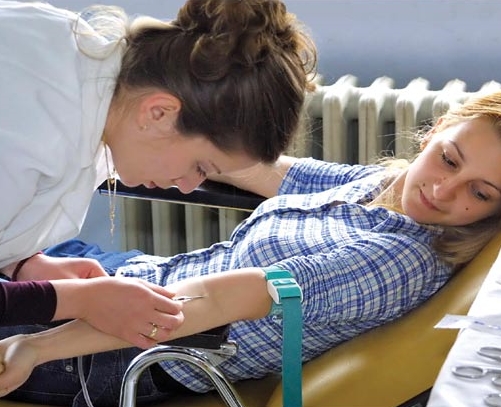
Phlebotomy is the act of drawing blood from patients for various medical tests, transfusions, donations, or research. Phlebotomists are trained professionals who are skilled in venipuncture, the process of collecting blood samples from patients. They work in hospitals, clinics, blood banks, laboratories, and other healthcare settings.
Job Description of Phlebotomists
Phlebotomists have a wide range of responsibilities, including:
Venipuncture
- Performing venipuncture to collect blood samples from patients
- Labeling and storing blood samples for testing
- Ensuring that blood samples are collected safely and accurately
Patient Care
- Interacting with patients in a professional and compassionate manner
- Explaining the procedure to patients and answering any questions they may have
- Calmly reassuring patients who may be anxious or fearful of needles
Administrative Tasks
- Entering patient information into electronic health records
- Maintaining a clean and organized work area
- Ensuring that all equipment is properly sterilized and maintained
Key Skills for Phlebotomists
To be successful as a phlebotomist, one should have the following skills:
| Empathy | Attention to Detail |
| Communication | Time Management |
| Technical proficiency | Problem-solving abilities |
Benefits of Being a Phlebotomist
Being a phlebotomist can be a rewarding career choice. Some of the benefits include:
- Opportunities for advancement in the medical field
- Job stability and security
- The satisfaction of helping others
- Flexible work schedules
Practical Tips for Aspiring Phlebotomists
If you are interested in becoming a phlebotomist, here are some practical tips to help you succeed:
- Complete a phlebotomy training program
- Obtain certification from a recognized accrediting body
- Gain hands-on experience through internships or volunteer work
- Stay current with advancements in phlebotomy technology
Conclusion
Phlebotomists play a vital role in the healthcare system by collecting blood samples for testing and transfusion. Their skills and expertise are essential for accurate diagnosis and treatment of patients. If you have a passion for helping others and a keen attention to detail, a career in phlebotomy may be the perfect fit for you.
Remember, becoming a phlebotomist requires hard work, dedication, and ongoing training. But the rewards of this fulfilling career can be well worth the effort.