Ultimate Guide to Phlebotomy Training: How to Launch Your Healthcare Career
Embarking on a career in healthcare can be both exciting and rewarding. Among the various roles in the medical field, becoming a phlebotomist offers a practical and accessible entry point. This extensive guide explores everything you need to know about phlebotomy training, certification, and how to kick-start your journey into the healthcare industry.
Introduction
In today’s healthcare landscape, blood collection specialists, or phlebotomists, play a vital role in patient care. They are trained to efficiently and safely collect blood samples for testing, transfusions, or donations. If you’re interested in a healthcare career that combines technical skills with patient interaction, phlebotomy might be the perfect path. This guide will walk you through the necessary steps, training requirements, skills needed, and insider tips to become a triumphant phlebotomist.
What is Phlebotomy?
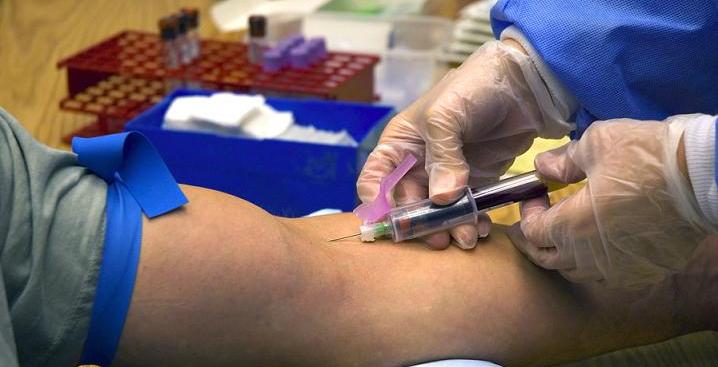
Phlebotomy involves drawing blood from patients for laboratory testing,blood donations,or medical procedures. Despite its seemingly straightforward task, it requires precise technique, excellent patient communication skills, and adherence to safety protocols. Phlebotomists often work in hospitals, clinics, laboratories, and blood donation centers, making this a versatile healthcare profession.
Why Choose a Career in Phlebotomy?
- Fast certification process: Many programs can train you in just a few months.
- High demand: Healthcare facilities constantly need trained phlebotomists.
- Entry-level opportunities: No extensive prior experience required.
- Good salary potential: Competitive wages with room for advancement.
- Rewarding work: Direct patient interaction and helping people get better.
Steps to Become a Certified Phlebotomist
Starting your journey in phlebotomy involves several key steps. Here’s a clear roadmap to help you launch your healthcare career:
1. Meet Basic Requirements
- High school diploma or GED
- Minimum age of 18 or older
- Pass background checks and drug screening (may vary by employer/state)
2. Complete Formal Phlebotomy Training Program
Enroll in an accredited phlebotomy training course that covers both theoretical knowledge and practical skills. These programs are available at community colleges, technical schools, and online institutions.
3. Gain Practical Experience
Most training programs include hands-on clinical practice,which is critical for developing proficiency in blood collection techniques.
4.Obtain Certification
While certification requirements vary by state, obtaining national certification considerably increases employability. Leading certifying bodies include:
- American Society for Clinical Pathology (ASCP)
- National Phlebotomy Association (NPA)
- American Medical Certification association (AMCA)
5. Apply for Phlebotomy Jobs
Use your certification and training to apply in hospitals, laboratories, blood banks, or clinics. Networking and internships can be beneficial in landing your first position.
Essential Skills and Qualities of a Successful Phlebotomist
| Skill/Quality | Description |
|---|---|
| Attention to Detail | Ensuring blood samples are properly labeled and collected safely. |
| Steady Hand | Precision in inserting needles and drawing blood. |
| Compassion & Patience | Comforting anxious or frightened patients effectively. |
| Strong Communication Skills | Explaining procedures clearly and building rapport. |
| Knowledge of Safety Protocols | Preventing infections and ensuring patient and personal safety. |
Benefits of Phlebotomy Certification and Training
- Enhanced employability: Certified phlebotomists stand out in competitive job markets.
- Higher earning potential: Certification often correlates with better wages.
- Professional credibility: Demonstrates competence and commitment to the profession.
- Opportunities for advancement: Certified professionals can pursue supervisory roles or specialized fields.
Practical Tips for Aspiring phlebotomists
- Choose a reputable training program: Verify accreditation with recognized agencies.
- Develop patient interaction skills: Practice empathy and active listening.
- Focus on safety: Practice proper sterilization and handling techniques.
- Gain experience: volunteer or seek internships to build confidence.
- Stay informed about regulations: Keep up-to-date with certifications and licensing requirements.
Case Studies: Success Stories in Phlebotomy
Case Study 1: From Novice to Certified Professional
Jane, a high school graduate, enrolled in a six-week online phlebotomy training course. After completing her clinical practice, she obtained certification through the NPA. Within three months, Jane secured a position at a local hospital, leveraging her clinical experience and certification to advance her career.
Case Study 2: Transitioning Careers to Healthcare
Mark, a former retail manager, decided to switch careers into healthcare. He completed a community college phlebotomy program and obtained certification. Now, Mark proudly works as a lead phlebotomist, enjoying daily patient interactions and a stable career path.
Additional Resources and Support
To assist you further in your phlebotomy journey, consider exploring:
- Online training platforms and webinars
- Local health career workshops
- Professional organizations like ASCP or NPA
- Job boards specialized in healthcare roles
Conclusion
Starting a career in healthcare as a phlebotomist is an excellent choice for those seeking a fast-paced, rewarding, and accessible entry point into the medical field. with proper training, certification, and a compassionate approach, you can build a successful career helping people and supporting medical professionals. Remember, the key to a thriving phlebotomy career is continuous learning and a dedication to patient care. Take the first step today and embrace the opportunities awaiting in this vital healthcare role!