**Title: The Essential Guide to Phlebotomy Procedures: Techniques, Tips, and Best Practices**
**Introduction:**
Phlebotomy is a critical aspect of the healthcare system, involving the collection of blood samples for diagnostic testing, transfusions, donations, and research purposes. As a phlebotomist, it is essential to have a strong understanding of proper techniques, tips, and best practices to ensure the safety and comfort of patients, as well as the accuracy of test results. In this comprehensive guide, we will explore everything you need to know about phlebotomy procedures to excel in your role.
**Benefits of Proper Phlebotomy Techniques:**
- Accurate test results
- Minimal discomfort for patients
– Reduced risk of complications
- Efficient sample collection process
**Practical Tips for Successful Phlebotomy:**
1. Always wash your hands thoroughly before and after each procedure to prevent infection.
2. Ensure that the patient is in a comfortable position and is well-hydrated to make the vein more visible and accessible.
3. Use the correct equipment, including sterile needles, syringes, and tubes, to prevent contamination.
4. Communicate clearly with the patient throughout the procedure to alleviate any anxiety and ensure their cooperation.
5. Label all samples accurately and promptly to avoid mix-ups in the laboratory.
**Common Phlebotomy Procedures:**
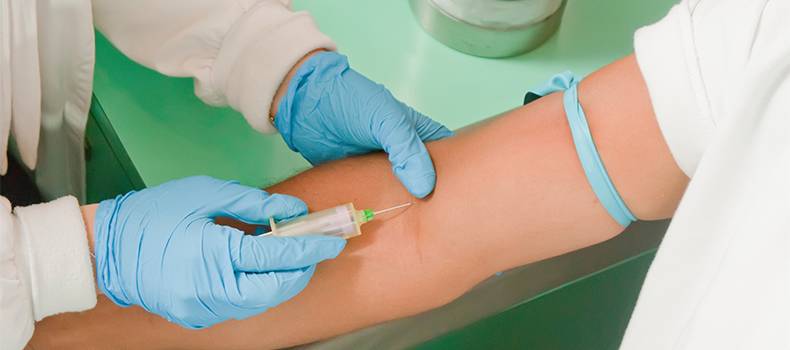
1. Venipuncture: This involves drawing blood from a vein using a needle and syringe or a vacutainer tube.
2. Capillary puncture: This method is used to collect small blood samples from the fingertip, heel, or earlobe.
3. Blood culture collection: This procedure involves obtaining a blood sample for microbial analysis.
**Best Practices in Phlebotomy:**
– Maintain a clean and organized work area to prevent contamination.
– Verify the patient’s identity and the order of tests before starting the procedure.
– Use a tourniquet to make the vein more prominent, but avoid leaving it on for too long to prevent hemolysis.
– Dispose of sharps properly in designated containers to prevent needlestick injuries.
– Follow standard safety protocols to protect yourself and your patients from bloodborne pathogens.
**Case Study:**
Sarah, a phlebotomy technician, was able to put a nervous patient at ease by explaining the procedure step-by-step and using a gentle touch during venipuncture. As a result, the patient had a positive experience and felt comfortable returning for future blood draws.
**First-hand Experience:**
“As a phlebotomist, I have learned the importance of building rapport with patients to establish trust and cooperation during blood collection. By following proper procedures and techniques, I can ensure the safety and well-being of those in my care.”
**Conclusion:**
Mastering phlebotomy procedures is a crucial skill for healthcare professionals to provide accurate diagnostic results and quality patient care. By following best practices, implementing practical tips, and staying up-to-date on industry standards, you can excel in your role as a phlebotomist and make a positive impact on patient outcomes. Remember, every blood draw is an opportunity to demonstrate your expertise and compassion in the healthcare field.