The Crucial Role of a Phlebotomist in Healthcare: Everything You Need to Know
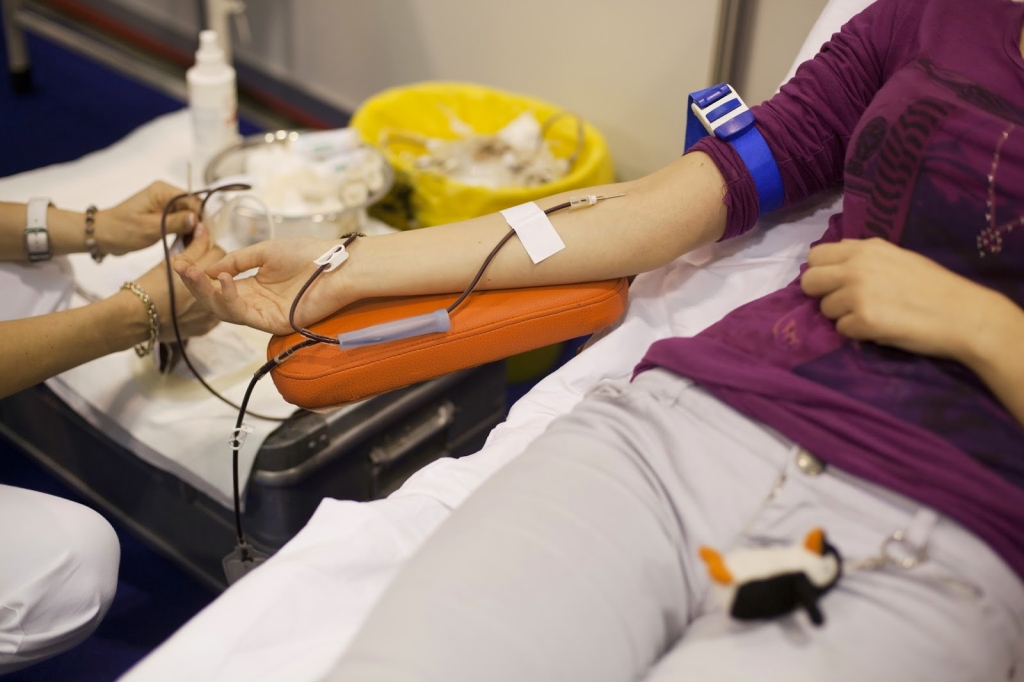
When you visit a healthcare facility for blood work, one of the first healthcare professionals you are likely to encounter is a phlebotomist. Phlebotomists play a crucial role in the healthcare system, as they are responsible for collecting blood samples from patients for diagnostic testing, transfusions, donations, or research purposes. In this article, we will delve into the world of phlebotomy and explore the important role that phlebotomists play in the healthcare industry.
What is a Phlebotomist?
A phlebotomist is a trained healthcare professional who specializes in drawing blood from patients for various medical purposes. They work in hospitals, clinics, laboratories, blood donation centers, and other healthcare settings. Phlebotomists are responsible for ensuring that blood samples are collected correctly, safely, and efficiently to provide accurate results for diagnostic testing.
Roles and Responsibilities of a Phlebotomist
- Performing venipuncture to draw blood from patients
- Collecting and labeling blood samples
- Ensuring patient comfort and safety during blood collection procedures
- Following strict protocols and infection control practices
- Communicating with patients to explain the procedures and calm their fears
- Transporting blood samples to the laboratory for testing
- Maintaining accurate records and documentation
Benefits of Choosing a Career as a Phlebotomist
There are several benefits to choosing a career as a phlebotomist, including:
- Opportunities for career growth and advancement
- Job stability and high demand in the healthcare industry
- Ability to make a positive impact on patient care
- Flexible work schedules
- Competitive salaries and benefits
The Importance of Phlebotomists in Healthcare
Phlebotomists play a vital role in the healthcare system by ensuring the accuracy and reliability of blood samples collected for diagnostic testing. Healthcare providers rely on these blood samples to make informed decisions about patient care, diagnosis, and treatment plans. Without skilled phlebotomists, the quality of patient care could be compromised, leading to potential health risks and inaccuracies in medical diagnoses.
Phlebotomists also contribute to public health initiatives by collecting blood donations for transfusions and research purposes. Their expertise in venipuncture and blood collection techniques helps ensure the safe and effective collection of blood products for patients in need.
Practical Tips for Phlebotomy Success
If you are considering a career as a phlebotomist, here are some practical tips to help you succeed in this field:
- Obtain proper training and certification from an accredited phlebotomy program
- Practice good communication and interpersonal skills with patients
- Stay updated on the latest trends and technologies in phlebotomy
- Adhere to strict safety and infection control protocols
- Seek opportunities for professional development and continuing education
Conclusion
phlebotomists play a crucial role in the healthcare system by collecting blood samples for diagnostic testing, transfusions, donations, and research purposes. Their expertise in venipuncture and blood collection techniques ensures the accuracy and reliability of blood samples used in medical diagnosis and treatment. If you are considering a career as a phlebotomist, remember to obtain proper training, practice good communication skills, and stay updated on industry trends to succeed in this rewarding field.