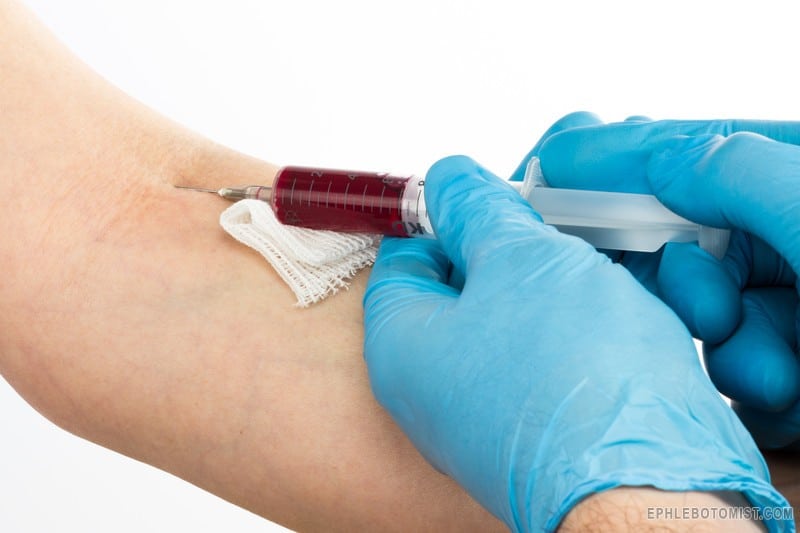
Phlebotomy 101: Essential tips for Beginners too Master Blood Collection Skills
Introduction
If you’re stepping into the world of healthcare, becoming proficient in blood collection or phlebotomy is a vital skill that can make a meaningful difference in patient care.Whether you’re a student, an aspiring medical assistant, or a new healthcare professional, mastering the basics of phlebotomy ensures accurate test results, minimizes patient discomfort, and enhances your confidence as a technician. This thorough guide will walk you through essential tips and best practices for beginners looking to excel in blood collection techniques, with insights into the benefits of proper training and practical advice to build your skills.
What Is Phlebotomy?
phlebotomy is the process of drawing blood from a vein, generally for laboratory testing, blood donations, transfusions, or medical diagnosis.It involves knowledge of anatomy, appropriate equipment handling, patient dialogue, and safety protocols. Mastering phlebotomy not only requires technical skill but also compassion and patience, especially since many patients may feel anxious or uncomfortable.
Why Is Proper Blood collection important?
- Accuracy of laboratory tests: Proper technique reduces hemolysis and contamination, ensuring precise results.
- Patient safety and comfort: Correct procedures decrease the risk of complications like hematomas, infections, or nerve damage.
- lab efficiency: Streamlined blood collection minimizes sample rejection and delays.
- Professional reputation: Skilled phlebotomists inspire patient trust and confidence in healthcare services.
essential Equipment for Blood Collection
Before starting, ensure you have the right tools. Proper equipment not only simplifies the procedure but also enhances safety.
| Equipment | Description |
|---|---|
| Vacutainer System | Vacuum tubes, needles, and adapters for efficient blood draw |
| Needles | Various sizes (21G, 23G) depending on patient and sample type |
| Alcohol Swabs | For disinfecting the puncture site |
| Tourniquet | to make veins more visible and accessible |
| Gauze Pads & Bandages | To stop bleeding and secure the site after collection |
| Labeling Materials | Labels for specimen identification |
Fundamental Blood Collection Techniques for Beginners
Mastering the right techniques is crucial for successful blood draws. Here are key steps and tips:
1. Patient Readiness
- Introduce yourself and explain the procedure clearly.
- Verify patient identity and test requisition.
- Encourage relaxation to minimize anxiety.
- Ensure the patient is comfortable and in a proper position.
2. Site Selection and Preparation
- Choose the appropriate vein: The median cubital vein is preferred becuase it is large and typically less painful.
- Disinfect the area: Use an alcohol swab and allow it to dry completely to prevent hemolysis.
- Apply tourniquet: About 3-4 inches above the site to engorge the vein, but do not leave it on for more than a minute to avoid discomfort.
3. Blood Collection Procedure
- Insert the needle at a 15-30 degree angle with the bevel up.
- Apply gentle, steady pressure untill the blood flow is established.
- fill the collection tubes in the correct order if multiple tubes are used.
4. After Collection
- Release the tourniquet before withdrawal to reduce hematoma risk.
- Remove the needle smoothly and apply pressure with gauze.
- Secure the site with a bandage and label the specimen accurately.
Practical Tips for Successful Blood Collection
- stay calm and maintain steady hands for precise needle insertion.
- Always verify patient details to prevent errors.
- Use the appropriate needle size for different patient profiles.
- Avoid sticking multiple times-if unsuccessful, re-evaluate and try another site.
- Dispose of sharps instantly in designated sharps containers.
Common Mistakes to Avoid
- using a tourniquet for too long, leading to hemoconcentration.
- Inadequate site disinfection, risking contamination.
- Not applying enough pressure post-procedure, risking hematoma.
- Failing to identify the patient properly – always double-check ID.
Benefits of proper Phlebotomy Techniques & Practical Tips
Adhering to best practices in blood collection offers numerous benefits:
- Reliable results: Minimizes hemolysis and contamination
- Patient satisfaction: Less discomfort and anxiety
- Workplace safety: Proper disposal and safe handling of sharps
- Professional growth: Development of confidence and proficiency
Practical tips to boost your skills:
- Practice on mannequins or volunteer colleagues to build confidence.
- Participate in hands-on workshops or training seminars.
- Seek feedback from experienced phlebotomists.
- Stay updated on safety standards and technological advances.
Real-World Case Studies
| Scenario | |
|---|---|
| Patient with small veins | Use smaller gauge needles and warm the site to improve visibility. |
| Patient anxious about needles | Explain the process thoroughly and use distraction techniques. |
| Repeated unsuccessful attempts | Take a break, hydrate the patient, and try alternative sites. |
First-Hand Experience: Lessons from a Novice Phlebotomist
“in my early days as a student phlebotomist, I faced challenges with shaky hands and patient nerves. Through diligent practice, mentorship, and staying calm, I improved my accuracy and patient rapport. Every successful blood draw boosted my confidence and taught me the importance of patience and communication.” – Jamie, Aspiring phlebotomist.
Conclusion
Mastering blood collection skills in phlebotomy is an essential step for anyone entering the healthcare field. With proper techniques, patience, and continuous learning, beginners can become proficient and confident in their abilities. Remember that safety, accuracy, and patient comfort are the pillars of successful phlebotomy.By applying the tips and guidelines outlined in this article,you’ll be well on your way to becoming a skilled blood collection professional,contributing meaningfully to patient care and laboratory accuracy.
Ready to advance your phlebotomy skills?
enroll in certified training programs, participate in hands-on workshops, and seek mentorship from experienced professionals. Your journey into proficient blood collection starts today!