Title: The Role of a Phlebotomist: A Comprehensive Guide
Meta Title: Learn about the important role of a phlebotomist in healthcare settings
Meta Description: Discover the responsibilities, skills, and training required to become a successful phlebotomist. Learn about the valuable role they play in healthcare settings.
Introduction:
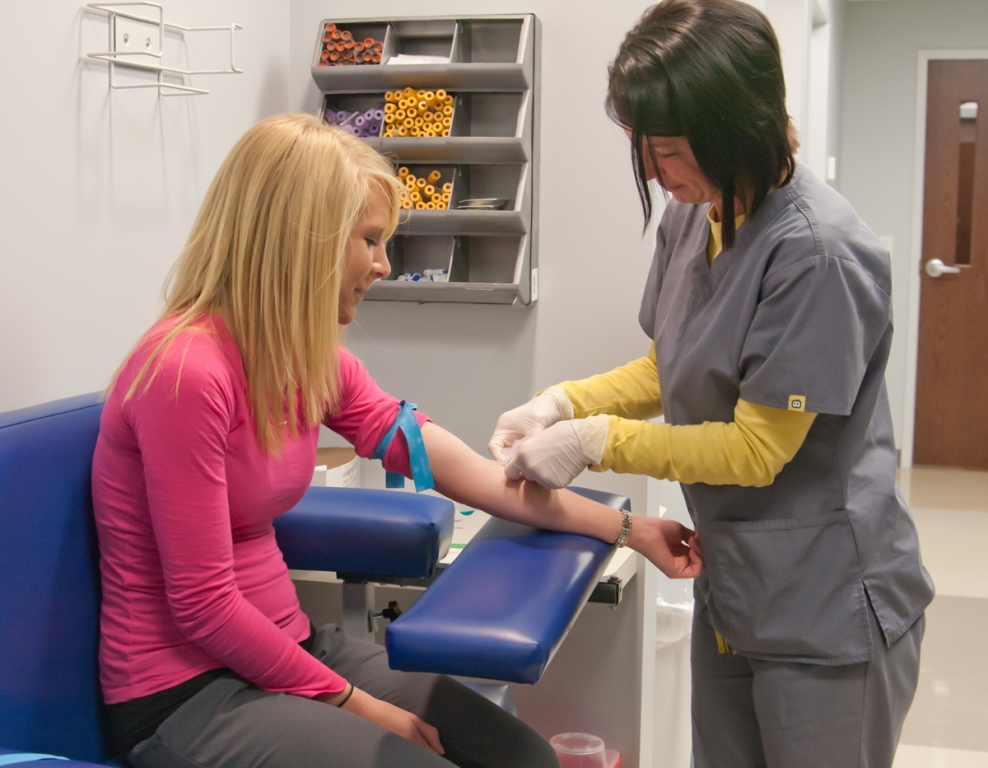
Phlebotomists play a crucial role in the healthcare industry by collecting blood samples for various purposes, including diagnostic testing, transfusions, and research. Their work is essential for accurate medical diagnosis and treatment. In this comprehensive guide, we will explore the responsibilities, skills, training, and career prospects of phlebotomists.
Responsibilities of a Phlebotomist:
1. Collecting blood samples from patients for medical testing
2. Labeling and organizing blood samples
3. Following proper protocols for sample collection to ensure accuracy and patient safety
4. Communicating with patients to alleviate fears and ensure a smooth blood-drawing process
5. Maintaining cleanliness and sterility in the work environment
Skills Required for Phlebotomists:
1. Attention to detail: Accuracy is crucial when collecting blood samples to prevent errors in medical testing.
2. Communication skills: Phlebotomists must interact with patients to ensure a comfortable and efficient blood-drawing process.
3. Dexterity: Skillful hand-eye coordination is needed to perform successful venipunctures.
4. Compassion: Dealing with patients who may be anxious or fearful of needles requires empathy and understanding.
5. Organizational skills: Keeping track of multiple blood samples and ensuring they are properly labeled and processed is essential.
Training and Education for Phlebotomists:
1. Certification programs: Phlebotomy training programs are available at vocational schools, community colleges, and healthcare facilities. These programs typically last from a few weeks to a few months.
2. On-the-job training: Some phlebotomists receive training while working in a healthcare setting under the supervision of experienced professionals.
3. Certification and licensure: In some states, phlebotomists must be certified or licensed to practice. Certification exams are available through organizations such as the National Healthcareer Association (NHA) or the American Society for Clinical Pathology (ASCP).
Career Prospects for Phlebotomists:
1. Job outlook: The demand for phlebotomists is expected to grow as the aging population increases the need for healthcare services.
2. Work settings: Phlebotomists can work in hospitals, clinics, laboratories, blood donation centers, and other healthcare facilities.
3. Advancement opportunities: Experienced phlebotomists can advance to supervisory roles or specialize in areas such as pediatric phlebotomy or geriatric phlebotomy.
Benefits of Being a Phlebotomist:
1. Job stability: Healthcare is a growing industry, providing long-term job security for phlebotomists.
2. Fulfilling work: Helping patients and playing a vital role in medical diagnosis can be rewarding.
3. Flexibility: Phlebotomists can work full-time or part-time, allowing for a flexible work schedule.
Practical Tips for Aspiring Phlebotomists:
1. Practice venipuncture techniques regularly to improve skills.
2. Stay updated on current trends and best practices in phlebotomy.
3. Develop strong communication skills to interact effectively with patients.
Conclusion:
Phlebotomists are essential members of the healthcare team, playing a crucial role in the accurate diagnosis and treatment of medical conditions. With the right training, skills, and dedication, individuals can embark on a rewarding career as a phlebotomist. If you have a passion for helping others and a keen eye for detail, consider pursuing a career in phlebotomy to make a difference in the lives of patients.