**Title: Unlocking Opportunities: 5 Exciting Career Paths With a Phlebotomy Certificate**
**Introduction:**
If you are considering a career in the healthcare industry, obtaining a phlebotomy certificate can open up a world of exciting opportunities. Phlebotomists play a crucial role in the healthcare system by collecting blood samples from patients for testing and analysis. With a phlebotomy certificate, you can explore a variety of career paths that offer stability, growth, and fulfillment. In this article, we will discuss five exciting career paths you can pursue with a phlebotomy certificate and how this credential can help you achieve your professional goals.
**1. Hospital Phlebotomist:**
Hospital phlebotomists work in medical facilities, where they collect blood samples from patients for various tests and procedures. This role requires strong communication skills, attention to detail, and the ability to work well under pressure. Hospital phlebotomists play a vital role in patient care and are an integral part of the healthcare team.
**2. Blood Bank Phlebotomist:**
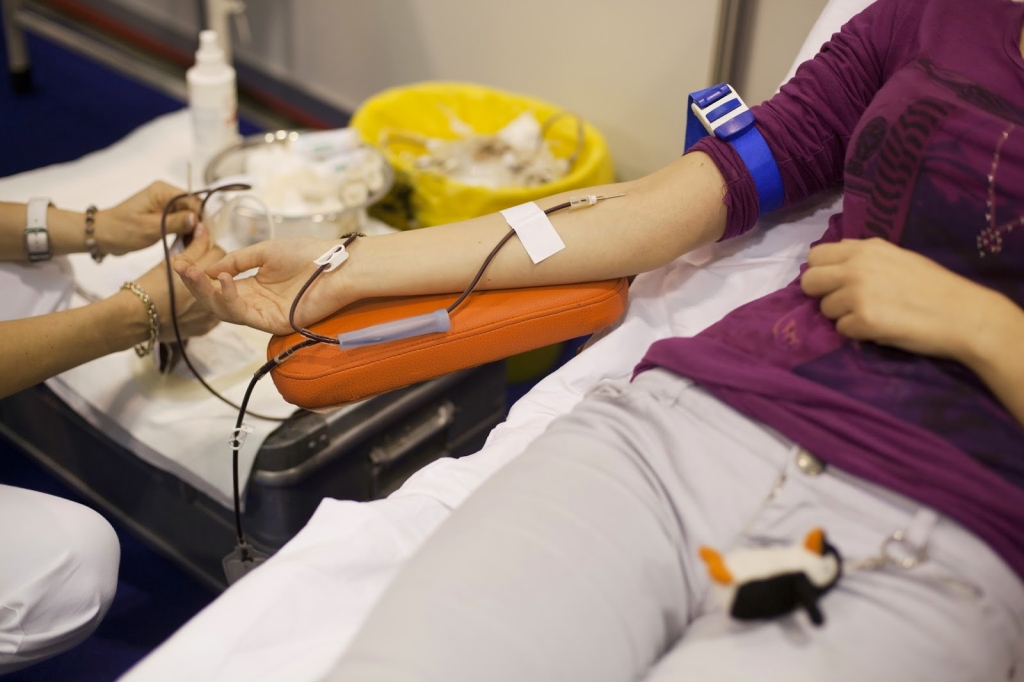
Blood bank phlebotomists work in blood donation centers and are responsible for collecting blood donations from volunteers. They must ensure that the blood samples are properly labeled and stored for transfusions or other medical purposes. Blood bank phlebotomists play a critical role in maintaining a safe and adequate blood supply for patients in need.
**3. Laboratory Phlebotomist:**
Laboratory phlebotomists work in clinical laboratories, where they collect blood samples for testing and analysis. They may also be responsible for processing and preparing specimens for further examination by medical technologists or pathologists. Laboratory phlebotomists play a key role in helping healthcare providers diagnose and treat various medical conditions.
**4. Mobile Phlebotomist:**
Mobile phlebotomists travel to patients’ homes, nursing homes, or other healthcare facilities to collect blood samples for testing. This role offers flexibility and independence, as mobile phlebotomists have the opportunity to work in a variety of settings and interact with diverse patient populations. Mobile phlebotomists must be organized, reliable, and able to provide excellent patient care.
**5. Research Phlebotomist:**
Research phlebotomists work in clinical research settings, where they collect blood samples from study participants for research purposes. They may be involved in clinical trials, genetics research, or epidemiological studies. Research phlebotomists play a crucial role in advancing medical knowledge and improving patient outcomes through scientific research.
**Benefits and Practical Tips:**
– Obtain a phlebotomy certificate from an accredited program to enhance your job prospects and credibility in the field.
– Consider pursuing additional certifications, such as certification as a Certified Phlebotomy Technician (CPT), to increase your earning potential and advancement opportunities.
– Stay current with industry trends and developments by participating in continuing education courses and networking with other healthcare professionals.
– Develop strong communication and interpersonal skills to build rapport with patients and colleagues in the workplace.
- Explore job opportunities in healthcare facilities, blood donation centers, research institutions, and other settings to find the right fit for your career goals.
**Conclusion:**
a phlebotomy certificate can lead to a rewarding and fulfilling career in the healthcare industry. By pursuing one of the five exciting career paths mentioned in this article, you can contribute to patient care, medical research, and the overall well-being of society. Whether you choose to work in a hospital, blood bank, laboratory, as a mobile phlebotomist, or in research, a phlebotomy certificate can unlock numerous opportunities for personal and professional growth. Invest in your future today by enrolling in a phlebotomy training program and embarking on a fulfilling career in phlebotomy.