Master the Essentials: Ultimate Phlebotomy Tutorial for Aspiring Medical Professionals
Embarking on a career in the medical field demands a solid understanding of essential procedures, and phlebotomy is one of the most essential skills for aspiring healthcare workers. Weather you’re aiming to become a phlebotomist, nurse, laboratory technician, or other healthcare provider, mastering the art of blood collection is crucial. This comprehensive and SEO-optimized guide will walk you through the essential elements of phlebotomy – from understanding the basics to practical tips,safety protocols,and real-world case studies - ensuring you’re fully prepared to excel in this vital medical skill.
What is Phlebotomy?
phlebotomy is the process of drawing blood from a vein, typically for laboratory testing, transfusions, or blood donations.It’s a skill that combines medical knowledge, technical proficiency, and patient care. Proper phlebotomy techniques are critical for patient comfort, safety, and accurate test results.
Why is Phlebotomy a Critical Skill for Medical Professionals?
- Vital for diagnosis: Blood samples provide essential information for diagnosing conditions like anemia, infections, and chronic diseases.
- Supports therapeutic procedures: Blood transfusions and donations rely on skilled venipuncture.
- Enhances patient care: Proper techniques minimize discomfort and complications.
Ultimate Phlebotomy Tutorial: Step-by-Step Guide
1. Preparing for the Blood Draw
- Gather Supplies: Tourniquet, alcohol swabs, needle, evacuated tubes, gauze, tape, and gloves.
- Verify Patient Identity: Confirm details to ensure accurate labeling and results.
- Explain Procedure: Reassure and inform the patient to reduce anxiety.
- Hand Hygiene & PPE: Wash hands and wear gloves for safety.
2. Selecting the Site
- Common Venipuncture Sites: median cubital vein, cephalic vein, basilic vein.
- Criteria for site selection: Visible, palpable, and free of scars, infections, or edema.
3. Performing Venipuncture
| Step | Description |
|---|---|
| Apply Tourniquet | Wrap 3-4 inches above the site to engorge the vein, making it easier to access. |
| Disinfect Site | Use alcohol swab to clean the area in circular motion; let it dry. |
| Insert Needle | Hold the patient’s vein steady, insert the needle at a 15-30° angle with bevel up. |
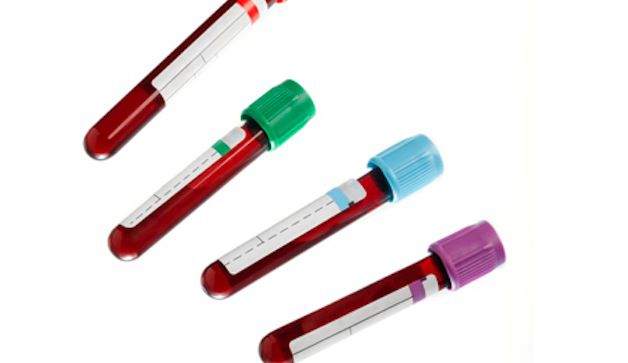
| Collect Blood | Attach evacuated tube(s) and fill in order, respecting the order of draw. |
| Release Tourniquet & withdraw Needle | Once tubes are filled, release tourniquet and gently withdraw the needle, applying pressure with gauze. |
| Label & Dispose | Label samples instantly and dispose of sharps properly. |
4. Post-Procedure Care
- Apply pressure to stop bleeding.
- Ask the patient to keep pressure on the site for 2-3 minutes.
- Send samples to the laboratory for analysis.
Essential Safety Protocols & best practices
- Proper Hand Hygiene: Reduce infection risk.
- Use of PPE: Gloves, face protection when necessary.
- Needle Safety: Never recap needles; dispose immediately in sharps container.
- Patient Comfort: Communicate throughout the procedure; avoid excessive pressure.
- Documentation: Record date, time, and site of collection accurately.
benefits of Mastering Phlebotomy
- Career Advancement: Opening doors to specialized healthcare roles.
- Enhanced Patient Trust: Providing confident, safe procedures.
- Improved Diagnostic Accuracy: Ensuring high-quality samples.
- Increased Confidence: Building skills that last a lifetime.
Practical Tips for Aspiring Phlebotomists
- Practise on mannequins or volunteer friends to hone your skills.
- Always check for contraindications like scars or fistulas.
- Stay calm and professional,even with arduous veins or nervous patients.
- Keep learning through certification courses and real-world experience.
Case Studies: Real-World Phlebotomy Insights
Case Study 1: Successful blood draw from a challenging vein using proper site selection and patient communication. Resulted in high-quality sample collection and a satisfied patient.
Case Study 2: Handling a patient with a bleeding disorder with extra precautions, demonstrating importance of safety protocols and personalized care.
First-Hand Experience: Lessons Learned
Many aspiring phlebotomists find that patience, practice, and perseverance are key to mastering blood collection skills. Small mistakes become learning opportunities, and over time, confidence and competence grow.
Conclusion
Mastering the art of phlebotomy is an invaluable skill for aspiring medical professionals seeking to make a difference in patient care and diagnostic accuracy.By understanding the basics, practicing proper techniques, and adhering to safety protocols, you can become a skilled, confident phlebotomist. Remember,continuous learning and hands-on experience are the keys to success in this rewarding healthcare field. Start your journey today and embrace the vital role you can play in healthcare delivery!