Master the Art of Phlebotomy: The Ultimate Guide to Blood Drawing Techniques
Phlebotomy is the process of drawing blood from a patient for various medical purposes, such as testing, transfusions, or donations. It is a crucial skill in the healthcare field, and mastering the art of phlebotomy requires knowledge, practice, and precision.
Introduction to Phlebotomy
Phlebotomy technicians, also known as phlebotomists, are responsible for collecting blood samples from patients safely and efficiently. They must follow strict protocols to ensure the accuracy and integrity of the samples while providing a comfortable and positive experience for the patient.
Benefits of Mastering Phlebotomy Techniques
- Accurate blood samples for diagnostic testing
- Reduced risk of injury or infection for patients
- Improved patient satisfaction and trust
- Enhanced efficiency in healthcare settings
Essential Blood Drawing Techniques
Mastering the art of phlebotomy involves learning and practicing several key techniques to ensure successful blood draws. Here are some essential techniques every phlebotomy technician should know:
1. Proper Patient Identification
Before starting the blood draw, it is crucial to confirm the patient’s identity to prevent any errors or mix-ups. Ask the patient to state their name and date of birth, and match it with their identification band.
2. Selecting the Right Vein
Choosing the right vein for the blood draw is essential for a successful and painless procedure. Look for veins that are visible, palpable, and straight to prevent complications or multiple attempts.
3. Applying a Tourniquet
Using a tourniquet helps to increase the pressure in the veins, making them easier to locate and access for the blood draw. Make sure not to leave the tourniquet on for too long to avoid discomfort or vein damage.
4. Cleaning and Preparing the Site
Before inserting the needle, clean the puncture site with an alcohol swab to disinfect the area and prevent infections. Allow the area to air dry before proceeding with the blood draw.
5. Inserting the Needle
When inserting the needle into the vein, be gentle and steady to reduce pain and bruising. Use the appropriate needle size and angle for the patient’s vein size and depth to improve the success rate of the blood draw.
6. Collecting the Blood Sample
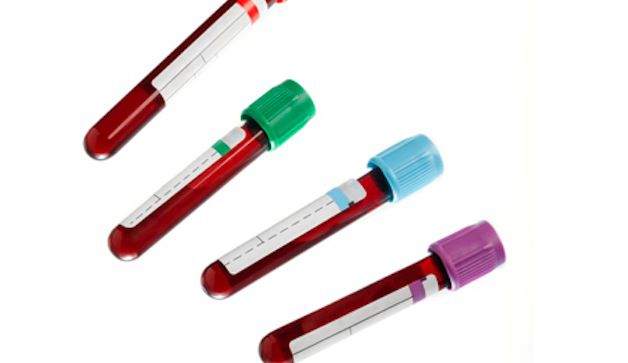
Once the needle is in place, gently draw the blood into the collection tubes in the correct order to prevent sample contamination. Fill each tube to the appropriate volume and mix gently to ensure accurate test results.
7. Removing the Needle and Applying Pressure
After collecting the blood sample, remove the needle carefully and apply pressure to the puncture site with a gauze pad to prevent bleeding and promote clot formation. Secure the site with a bandage or tape as needed.
Practical Tips for Phlebotomy Success
In addition to mastering the essential techniques of phlebotomy, here are some practical tips to enhance your skills and success in blood drawing:
- Practice proper hand hygiene and infection control measures
- Communicate clearly with patients and address any concerns or questions
- Stay calm and focused during the blood draw procedure
- Continuously improve your skills through training and education opportunities
Conclusion
Mastering the art of phlebotomy is essential for healthcare professionals who perform blood draws regularly. By learning and practicing the key techniques of phlebotomy, you can ensure accurate, safe, and efficient blood collection for diagnostic testing and other medical procedures. Remember to prioritize patient comfort, safety, and satisfaction throughout the process to provide a positive experience for both patients and healthcare providers.