**Title: Unlock Your Future: How to Become a Certified Phlebotomist in Just 6 Steps**
**Introduction:**
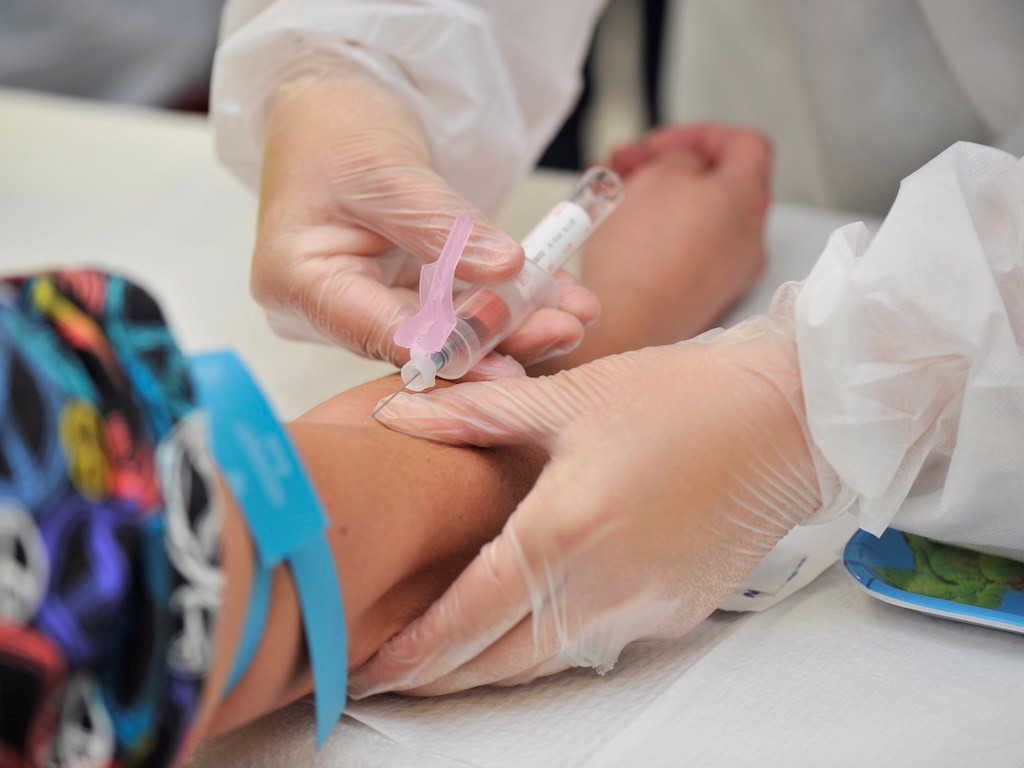
Are you interested in pursuing a career in the healthcare field that doesn’t require years of schooling? Becoming a certified phlebotomist might be the perfect fit for you! Phlebotomists are essential members of healthcare teams who specialize in drawing blood for tests, research, donations, and transfusions. In this article, we will guide you through the six steps to becoming a certified phlebotomist and help you unlock your future in this rewarding profession.
**Step 1: Research the Requirements**
Before diving into the world of phlebotomy, it’s important to understand the education and training requirements. Typically, aspiring phlebotomists need to complete a phlebotomy training program, which can range from a few weeks to several months. Additionally, most employers require phlebotomists to be certified by a recognized organization such as the National Healthcareer Association (NHA), American Society for Clinical Pathology (ASCP), or the American Medical Technologists (AMT).
**Step 2: Enroll in a Phlebotomy Training Program**
Once you’ve done your research, it’s time to enroll in a phlebotomy training program. These programs are offered at community colleges, vocational schools, hospitals, and online institutions. During the program, you will learn about anatomy, physiology, medical terminology, and phlebotomy techniques. You will also gain hands-on experience through clinical rotations.
**Step 3: Gain Hands-On Experience**
Hands-on experience is crucial for developing the skills necessary to become a successful phlebotomist. Many phlebotomy training programs include clinical rotations where students practice drawing blood on real patients under the supervision of experienced professionals. This hands-on experience will help you build confidence and proficiency in blood collection techniques.
**Step 4: Pass the Certification Exam**
After completing your phlebotomy training program, you will need to pass a certification exam to become a certified phlebotomist. The exam typically covers topics such as anatomy, physiology, medical terminology, blood collection techniques, and safety procedures. Study diligently and make use of practice exams to ensure you are well-prepared.
**Step 5: Obtain Your Certification**
Once you pass the certification exam, you will receive your official phlebotomy certification. This certification demonstrates to employers and patients that you have the knowledge and skills required to perform phlebotomy procedures safely and effectively. Having a certification will make you a more competitive candidate in the job market and open up opportunities for career advancement.
**Step 6: Start Your Phlebotomy Career**
Now that you are a certified phlebotomist, it’s time to start your career. Phlebotomists are in high demand in various healthcare settings, including hospitals, clinics, blood banks, and diagnostic laboratories. Take advantage of job placement services offered by your training program or seek out job openings online or through networking. With your certification in hand, you are well-equipped to embark on a rewarding career as a phlebotomist.
**Conclusion:**
Becoming a certified phlebotomist is a rewarding and fulfilling career path that offers job stability, competitive salaries, and opportunities for growth. By following these six steps, you can unlock your future as a certified phlebotomist and make a meaningful impact in the healthcare field. Start your journey today and take the first step towards a successful career in phlebotomy!