# Decoding EKG and Phlebotomy: A Comprehensive Guide
Are you interested in learning more about EKG and phlebotomy techniques? If so, you’ve come to the right place! In this comprehensive guide, we will delve into the intricacies of both EKG and phlebotomy, providing you with valuable information that will help you better understand these essential aspects of healthcare.
## Understanding EKG
### What is an EKG?
An EKG, also known as an electrocardiogram, is a diagnostic test that measures the electrical activity of the heart. This test is typically performed using electrodes that are attached to the chest, arms, and legs. The results of an EKG can provide valuable information about the heart’s rhythm and function.
### Interpreting an EKG
Decoding an EKG can seem daunting at first, but with practice and guidance, it becomes easier to interpret the results. Some key components to look for when reviewing an EKG include:
– **Heart rate**: The number of heartbeats per minute.
- **Rhythm**: The regularity of the heartbeats.
– **P Waves**: Represent the atrial depolarization.
– **QRS Complex**: Represents ventricular depolarization.
- **T Waves**: Represents ventricular repolarization.
### Common EKG Findings
There are several common findings that can be identified on an EKG, including:
– **Sinus Rhythm**: Normal heart rhythm.
– **Atrial Fibrillation**: Irregular heart rhythm.
– **ST Segment Elevation**: Indicates possible heart attack.
– **T Wave Inversion**: Can be a sign of ischemia.
## Mastering Phlebotomy
### What is Phlebotomy?
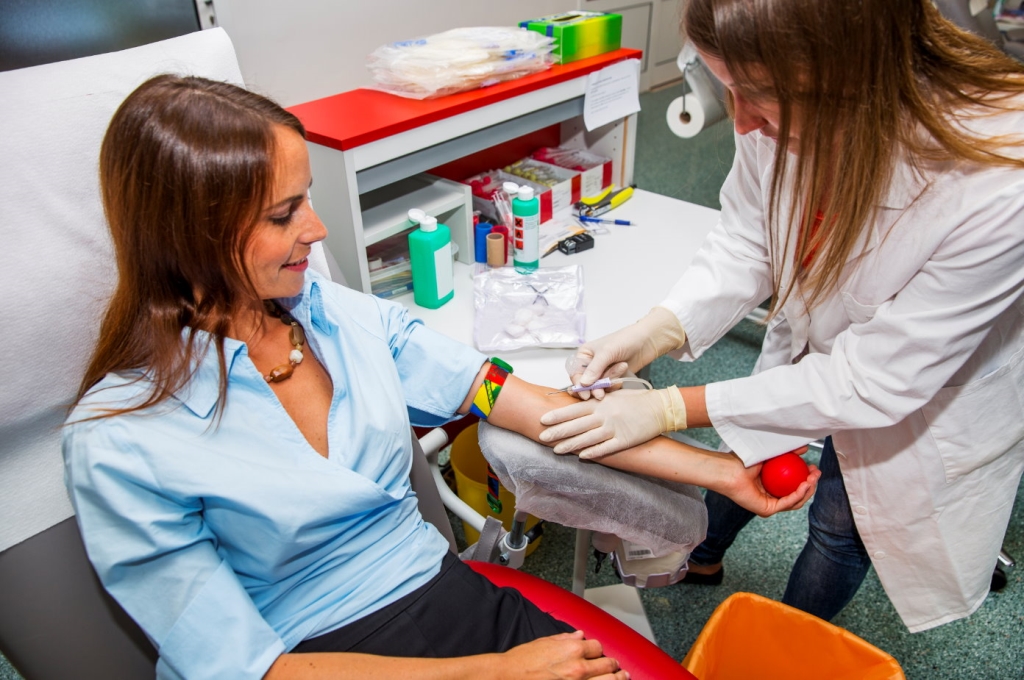
Phlebotomy is the process of drawing blood from a patient for diagnostic testing or blood donation purposes. This procedure requires skill and precision to ensure the safety and comfort of the patient.
### Phlebotomy Techniques
There are several techniques that phlebotomists use to draw blood successfully, including:
– **Venipuncture**: Inserting a needle into a vein to draw blood.
– **Capillary Puncture**: Collecting blood from a finger or heel stick.
– **Blood Cultures**: Collecting blood samples for bacterial testing.
### Tips for Successful Phlebotomy
To master the art of phlebotomy, consider the following tips:
– **Practice**: The more you practice, the more confident you will become.
– **Communication**: Establishing rapport with patients can make the process easier.
– **Safety**: Always prioritize safety by following proper protocols.
## Benefits of EKG and Phlebotomy
### Benefits of EKG
– **Early Detection**: EKG can help detect heart conditions early.
– **Monitoring**: EKG can monitor changes in heart function over time.
### Benefits of Phlebotomy
– **Diagnostic Testing**: Blood samples obtained through phlebotomy can provide essential information for diagnosis.
– **Treatment Monitoring**: Regular blood tests can help monitor the effectiveness of treatment.
## Conclusion
mastering the art of EKG and phlebotomy can be incredibly rewarding and fulfilling. By understanding the basics of EKG interpretation and phlebotomy techniques, you can provide valuable support to healthcare professionals and contribute to the well-being of patients. Remember to always practice safety, communicate effectively, and prioritize patient comfort during these procedures. With dedication and practice, you can become proficient in EKG and phlebotomy techniques in no time.
So, are you ready to delve into the world of EKG and phlebotomy? Let this guide be your stepping stone to success in these crucial healthcare fields. Happy learning!