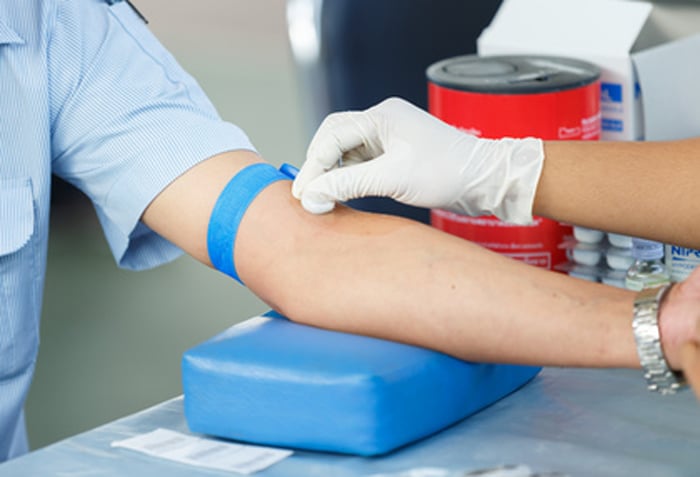
In the ever-evolving landscape of healthcare, phlebotomy – the practice of drawing blood from patients for various medical tests and procedures – has emerged as a lucrative and rewarding career option for individuals looking to make a difference in the medical field. With the increasing demand for skilled phlebotomists across hospitals, clinics, blood donation centers, and research laboratories, there are abundant opportunities waiting to be unlocked in this specialized field.
If you are considering a career in phlebotomy or are looking to switch professions, this comprehensive guide will provide you with all the information you need to embark on a successful journey in this exciting field. From the necessary training and certifications to the potential job prospects and salary expectations, we will cover everything you need to know to kickstart your career in phlebotomy.
**Why Choose a Career in Phlebotomy?**
Phlebotomy offers a unique blend of job stability, flexibility, and fulfillment that make it an attractive career choice for many individuals. Here are some compelling reasons to consider a career in phlebotomy:
– **High Demand:** As the healthcare industry continues to expand, the demand for skilled phlebotomists is on the rise. Whether you choose to work in a hospital, clinic, or blood donation center, there are ample opportunities available in this field.
– **Career Growth:** With additional certifications and specialized training, phlebotomists can advance their careers and take on roles such as phlebotomy supervisor, laboratory manager, or even medical laboratory technologist.
– **Flexibility:** Phlebotomists have the flexibility to work in a variety of settings, including hospitals, physician offices, laboratories, and mobile blood donation units. This flexibility allows for a diverse range of career paths and opportunities.
– **Fulfillment:** Drawing blood may seem like a routine task, but for many patients, it can be a stressful and anxiety-inducing experience. A skilled phlebotomist who can put patients at ease and perform the procedure quickly and efficiently can make a significant impact on their overall healthcare experience.
**Training and Certification**
To become a certified phlebotomist, you will need to complete a phlebotomy training program from an accredited institution. These programs typically last anywhere from 4 weeks to 12 months and cover topics such as anatomy and physiology, medical terminology, blood collection techniques, and infection control procedures.
Upon completion of your training program, you will need to pass a certification exam to become a certified phlebotomist. Some of the most recognized certification agencies in the field of phlebotomy include the *American Society for Clinical Pathology (ASCP)*, the *National Healthcareer Association (NHA)*, and the *American Medical Technologists (AMT)*.
**Job Prospects and Salary Expectations**
According to the *U.S. Bureau of Labor Statistics*, the job outlook for phlebotomists is projected to grow by 17% from 2019 to 2029, which is much faster than the average for all occupations. This growth is attributed to an aging population that will require more medical services, including blood tests.
In terms of salary, the median annual wage for phlebotomists was $35,510 as of May 2020, with the top 10% earning more than $50,000 per year. The salary can vary based on factors such as location, experience, and type of employer, with hospitals typically offering higher salaries than clinics or blood donation centers.
**Practical Tips for Success in Phlebotomy**
Here are some practical tips to help you succeed in your career as a phlebotomist:
1. **Develop Strong Communication Skills:** Building rapport with patients and putting them at ease is crucial for a successful blood draw. Practice active listening and communication techniques to ensure a positive experience for your patients.
2. **Stay Updated on Industry Trends:** The field of phlebotomy is constantly evolving, with new techniques and technologies being introduced regularly. Stay informed about the latest industry trends and advancements to stay ahead of the curve.
3. **Seek Continuing Education:** Pursuing additional certifications and continuing education courses can help you expand your skill set and advance your career in phlebotomy.
**Conclusion**
a career in phlebotomy offers a unique blend of job stability, flexibility, and fulfillment that make it an attractive option for individuals looking to make a difference in the healthcare industry. With the right training, certification, and practical tips, you can unlock a world of opportunities in this rewarding field. Whether you are a recent high school graduate or a seasoned healthcare professional, phlebotomy offers a career path that is both lucrative and fulfilling. So, if you have a passion for helping others and a steady hand, consider pursuing a career in phlebotomy – the possibilities are limitless!