Title: The Ultimate Guide to Entry Level Phlebotomy Jobs: How to Start Your Career in Healthcare Today
Introduction:
Are you interested in starting a career in healthcare but don’t know where to begin? Consider becoming a phlebotomist! Phlebotomy is a rewarding and in-demand field that offers entry-level opportunities for individuals looking to work in the healthcare industry. In this comprehensive guide, we will provide you with everything you need to know about entry-level phlebotomy jobs, including how to get started, job duties, salary expectations, and career advancement opportunities. Whether you are a recent high school graduate or looking to make a career change, phlebotomy could be the perfect path for you.
What is Phlebotomy?
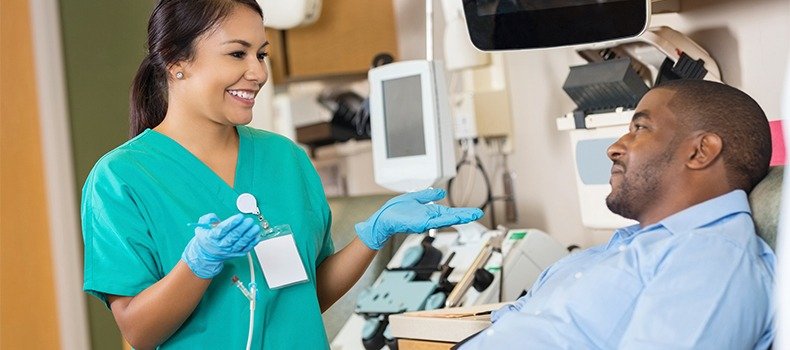
Phlebotomy is the practice of drawing blood from patients for various medical purposes, such as laboratory testing, transfusions, and research. Phlebotomists are responsible for collecting blood specimens in a safe and sterile manner, labeling and storing samples correctly, and ensuring patient comfort during the process. They play a crucial role in the healthcare system by providing healthcare professionals with accurate and reliable blood samples for diagnosis and treatment.
How to Get Started in Phlebotomy:
1. Education and Training: To become a phlebotomist, you will need to complete a phlebotomy training program, which can be found at community colleges, vocational schools, and healthcare facilities. These programs typically last anywhere from a few weeks to a few months and cover topics such as anatomy, physiology, medical terminology, and blood drawing techniques. Some states may also require phlebotomists to be certified, which can be obtained through organizations like the National Healthcareer Association (NHA) or the American Society for Clinical Pathology (ASCP).
2. Gain Experience: Once you have completed your training program and obtained any necessary certifications, it’s time to gain practical experience in the field. Consider applying for entry-level phlebotomy positions at hospitals, clinics, blood banks, or laboratories. These positions will provide you with hands-on experience drawing blood from patients, handling specimens, and working alongside healthcare professionals.
3. Develop Key Skills: In order to succeed as a phlebotomist, you will need to develop a variety of skills, including attention to detail, communication, professionalism, and empathy. Patients may be nervous or scared during blood draws, so it’s important to have a calm and reassuring demeanor to help put them at ease. Additionally, phlebotomists must be organized and able to follow strict protocols to ensure the accuracy and integrity of blood samples.
4. Network and Seek Advancement Opportunities: As you gain experience in the field, continue to network with other healthcare professionals and seek out opportunities for career advancement. Some phlebotomists may choose to specialize in certain areas, such as pediatric phlebotomy or geriatric phlebotomy, while others may pursue additional certifications or higher education to advance their careers.
Job Duties and Responsibilities:
– Collecting blood specimens from patients
– Labeling and storing blood samples correctly
– Following safety and infection control procedures
– Communicating with patients to ensure comfort and understanding
– Working closely with healthcare professionals to provide accurate and timely results
– Maintaining accurate records and documentation of blood draws
Salary Expectations:
According to the Bureau of Labor Statistics, the median annual wage for phlebotomists was $35,510 in May 2020. However, salaries can vary depending on factors such as location, experience, and employer. Entry-level phlebotomists may start at a lower salary but can increase their earning potential with additional experience and certifications.
Career Advancement Opportunities:
Phlebotomy offers a variety of career advancement opportunities for those looking to grow in the healthcare field. Some potential career paths for phlebotomists include:
– Laboratory Technician
– Medical Laboratory Technologist
– Clinical Laboratory Scientist
– Nurse
– Physician Assistant
Conclusion:
Starting a career in phlebotomy can be a rewarding and fulfilling experience for individuals interested in healthcare. With the right education, training, and experience, you can succeed as a phlebotomist and make a positive impact on patient care. Whether you are a recent high school graduate or looking to make a career change, consider pursuing entry-level phlebotomy jobs to kickstart your career in healthcare today. Remember to stay up to date on the latest industry trends and advancements to continue growing in your field. Good luck on your phlebotomy journey!