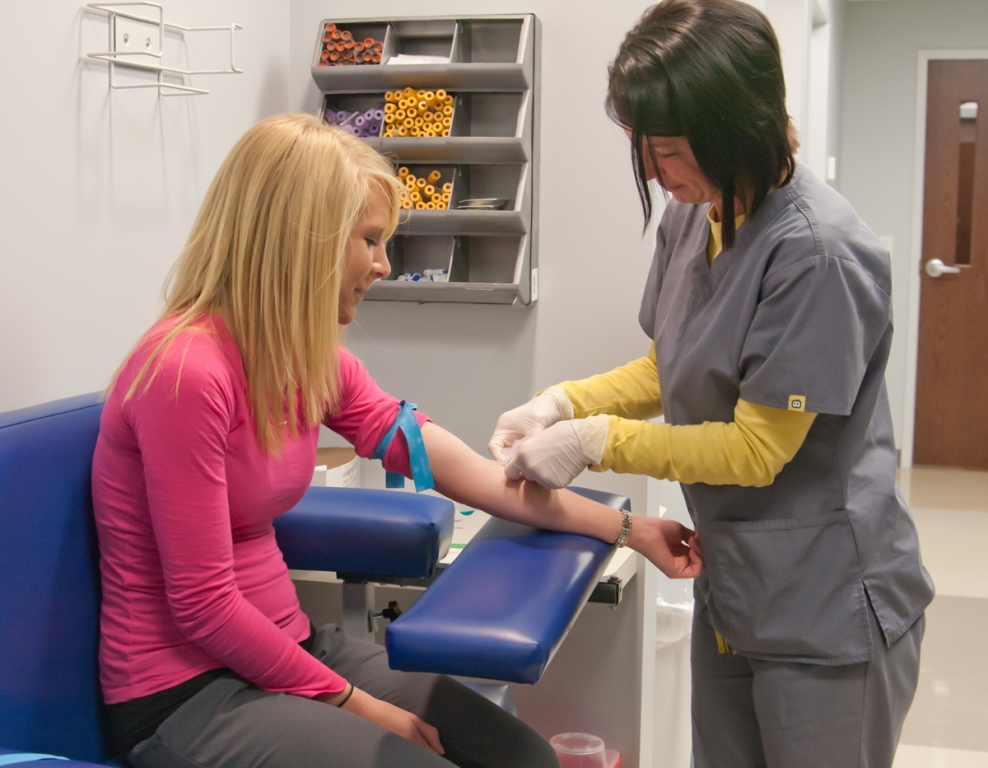
Unlock Your Potential: Top Tips at Our Phlebotomy learning Center for Aspiring Medical Professionals
Introduction: Your Path to a Rewarding Healthcare Career Starts Here
Welcome to our Phlebotomy Learning Center,where aspiring medical professionals transform into confident,competent phlebotomists.Whether you’re starting a healthcare journey or seeking to elevate your skillset for clinical roles, the right training accelerates your potential. This article shares practical, field-tested tips to master venipuncture, patient care, safety protocols, and certification pathways. With hands-on practice, expert guidance, and a supportive learning community, you’ll gain the knowledge and confidence to perform high-quality blood collection with accuracy and compassion.
Why Phlebotomy Training Matters
- Foundational skill for healthcare teams: Phlebotomy is a critical entry point for laboratory diagnostics and patient care.
- Certification opens doors: A professional credential signals competence to employers and accelerates career growth.
- Safety and quality first: Proper technique reduces patient discomfort, specimen rejection, and exposure risks.
- Hands-on practice builds confidence: Repeated simulations and supervised venipuncture prepare you for high-stakes environments.
- Versatile career paths: Phlebotomy skills support roles in hospitals, clinics, blood banks, and mobile collection services.
Top Tips to Accelerate Your Phlebotomy Mastery
1) Master the Basics: Venipuncture Techniques, Safety, and Equipment
Start with a solid foundation in venipuncture anatomy, needle gauges, evacuated tubes, butterfly sets, and proper venipuncture site selection. Learn how to:
- Identify suitable veins (antecubital fossa, dorsal hand veins) and assess for accessibility.
- Choose the correct needle gauge and collection order to prevent sample contamination.
- Assemble and check equipment before each draw, including tourniquet submission and safety needle handling.
- Perform safe, technique-focused venipuncture with minimal patient discomfort.
2) Practice with Purpose: Simulations, Lab Practice, and Real-World Scenarios
Practice in simulated labs before working with real patients.deliberate practice improves muscle memory and reduces anxiety during real collections. Consider:
- Low-stress mock sessions to perfect hand-eye coordination.
- Structured feedback from instructors after each attempt.
- Gradual exposure to challenging scenarios (smaller veins, hydration status, difficult patients).
3) Prioritize Patient Safety and Comfort: Communication and Consent
Patients’ success hinges on clear communication, respect for autonomy, and minimizing discomfort. Focus on:
- Introduce yourself, explain the procedure, and obtain consent.
- Ask about allergies, fainting history, or prior difficult experiences.
- provide comfort measures and exit strategies if a patient becomes uncomfortable.
4) Learn Lab Protocols and Chain of Custody
Correct labeling, specimen handling, and chain-of-custody documentation prevent errors. Key practices include:
- Accurate patient identification and labeling at the bedside.
- Proper specimen labeling with date, time, and collector initials.
- Timely transport to the lab and adherence to turnaround time requirements.
5) Certification and Career Path: Plan Your Credential Journey
Map out your certification roadmap and correlate it with your career goals. Options commonly pursued by aspiring phlebotomists include:
- Phlebotomy technician (CPT) certifications from recognized bodies such as ASCP, NHA, or AMT.
- State licensure or professional affiliation where applicable.
- Continuing education modules to maintain certification and stay current with best practices.
6) use Technology to Your Advantage: EHRs, Barcode Scanning, and Lab Software
Modern phlebotomy is tech-enabled. Be comfortable with:
- Electronic Health Records (EHR) for charting and order entry.
- barcode scanning to confirm patient and specimen identity.
- Specimen processing workflows and lab details systems (LIS).
7) Safety, Compliance, and Professionalism
Adhere to safety standards and professional behavior at all times. Topics to master include:
- Infection control, hand hygiene, and Personal Protective Equipment (PPE).
- Universal precautions for bloodborne pathogens and exposure management.
- Professionalism, documentation accuracy, and ethical patient interactions.
Benefits and Practical Tips at a Glance
The table below outlines core benefits of our Phlebotomy Learning center program and practical actions you can take to maximize each benefit.
| Benefit | Practical Tip | Outcome |
|---|---|---|
| Hands-on venipuncture experience | Attend all supervised practice sessions; simulate common vein challenges. | Increased confidence and reduced site refusal rates. |
| Strong safety and infection control foundation | Review OSHA and universal precautions before every lab. | lower risk of contamination and safer patient care. |
| Certification readiness | Complete practice exams and review scope of practice for CPT. | Higher first-attempt pass rates on certification tests. |
| Professional communication skills | Role-play consent conversations and anxiety management. | Improved patient cooperation and satisfaction. |
| Career versatility | Explore externships and network with local clinics. | More job opportunities post-certification. |
Case Studies and Real-World Scenarios
Case Study 1: From Nervous Beginner to Competent Collector
A 22-year-old student joined our program with minimal hands-on experience. After three weeks of guided practice, including venipuncture simulations and feedback loops, they successfully completed their first real-world blood draw under supervision. By week six, they independently collected samples for routine tests with zero adverse events and reported increased confidence in communicating with patients.
Case Study 2: Handling a Challenging Patient Population
During a clinical externship, a patient with a history of fainting and difficult veins required multiple attempts. The student applied communication techniques learned in class, used a smaller-volume tube to reduce discomfort, and coordinated with the phlebotomy team to adjust positioning and tourniquet use. The patient completed the collection safely, reinforcing the importance of patient-centered care and teamwork.
First-Hand Experience: Voices from Our Students
“The hands-on practice was the turning point. I went from anxious about the needle to confident, precise, and patient-kind in just a few weeks.” - Maya, Phlebotomy Technician Student
“The instructors’ feedback helped me refine my technique and learn how to read patient cues. I landed a lab externship before graduation.” – daniel, aspiring healthcare professional
Curriculum Overview at Our Phlebotomy Learning Center
- introduction to Phlebotomy: Roles, responsibilities, and ethics
- Anatomy and Physiology relevant to venipuncture
- Phlebotomy Equipment and Safety Protocols
- Venipuncture Techniques: Vein selection, needle handling, and collection order
- Capillary Puncture and special Collections
- Specimen Labeling, Documentation, and chain of Custody
- In-Depth safety Training: PPE, infection control, and exposure management
- Quality Assurance and Error Reduction
- Certification Preparation: Practice tests and mock exams
- Clinical externship or supervised practicum
Getting Started: Enrollment and Resources
- Prerequisites: High school diploma or equivalent; interest in healthcare; good communication skills.
- Program length: Flexible schedules with part-time and full-time options; hands-on labs included.
- Enrollment steps: Apply online, complete an admission interview, and meet basic safety prerequisites.
- Resources: Access to practice labs, study guides, and a job placement network.
Ready to unlock your potential? Explore our upcoming phlebotomy courses and reserve your seat today. For more information, contact our admissions team or schedule a campus tour.
Conclusion: start Strong, Grow Faster
Our Phlebotomy Learning Center is designed to nurture aspiring medical professionals from first exposure to certified practitioner. by combining structured theory, extensive hands-on practice, patient-centered communication, and credential-focused guidance, you’ll accelerate your journey into a rewarding healthcare career. Remember, mastery in phlebotomy is built one blood draw at a time-practice deliberately, seek feedback, and stay committed to safety and empathy. Your potential awaits, and we’re here to help you unlock it.