Top Skills and Requirements for a Prosperous Phlebotomy Lab Assistant in 2024
Phlebotomy lab assistants are the frontline professionals who ensure accurate specimen collection, proper handling, and patient-centered care in busy hospital and clinical environments. As laboratories evolve with new safety standards, automation, and patient-focused care, the role remains critical for reliable test results and patient safety. If you’re considering a career as a phlebotomy lab assistant in 2024,this guide highlights the top hard skills,soft skills,certification requirements,and practical tips to help you stand out in the job market.
Core Technical skills for a Phlebotomy Lab Assistant
Strong technical capabilities lay the foundation for success. Below are the essential skills to master for efficient blood collection and specimen handling.
- Venipuncture and Capillary Techniques: Proficiency with standard blood draws from veins and fingertip/heel sticks in appropriate populations,with a focus on patient comfort and safety.
- Aseptic Technique and PPE Compliance: Proper use of gloves, masks, face shields when needed, and adherence to infection control protocols.
- Equipment Handling: safe use of needles, collection tubes, vacutainers, needles, lancets, tourniquets, mixers, and centrifuges (where applicable).
- Specimen Labeling and Patient Identification: Accurate labeling, double-checking patient IDs, and minimizing mislabeling risks.
- Order of Draw and Additive Awareness: Correct tube selection and handling to preserve sample integrity for tests.
- Specimen Transport and Storage: Timely transport, correct container conditions, and chain-of-custody awareness when needed.
- Specimen Quality Assessment: Recognizing hemolysis,clotting,insufficient volume,or hemoconcentration and knowing when to re-draw.
- Basic Laboratory Safety and Compliance: Knowledge of hazard communication, spill response, and waste disposal in line with OSHA guidelines.
| Skill Area | why It Matters | Starter Tips |
|---|---|---|
| Venipuncture | Ensures reliable test results and reduces patient discomfort. | practice on volunteers; maintain a steady grip; track patient reactions. |
| Specimen labeling | Prevents misidentification and testing errors. | Always confirm two patient identifiers; label at the bedside when possible. |
| Safety and PPE | Protects staff and patients; essential for compliance. | Status-check gloves and PPE before each draw; follow facility policy. |
| sample Handling | Maintains sample integrity for accurate results. | Follow the order of draw and correct additives; minimize delays. |
Regulatory and Certification Requirements
Regulatory knowledge is essential for a compliant and safe lab surroundings. Certification signals competence and commitment to patient safety in 2024.
- Formal Training Programs: Completion of an accredited phlebotomy program or medical laboratory assistant program,often offering hands-on externships.
- Certification Options: Popular credentials include Phlebotomy Technician (PBT) from the ASCP,Phlebotomy technician (CPT) from NHA,and Registered Phlebotomy Technician (RPT) from AMT. Note that availability and eligibility vary by region.
- State licensure and CLIA Considerations: Some states require licensure or registration; most clinical labs operate under CLIA guidelines. If you work in a hospital or high-volume lab,expect strict QA and documentation standards.
- HIPAA and Privacy: Training on patient privacy and data security is essential for handling protected health facts (PHI).
- OSHA Safety and Bloodborne Pathogen Training: annual or periodic refreshers to minimize occupational exposure risks.
- Background Checks and Immunizations: Hospitals frequently enough require up-to-date vaccines (e.g., hepatitis B) and clear background checks.
Soft Skills and Professional traits for 2024
Technical know-how must be complemented by strong interpersonal and organizational skills. Here are the soft skills that help phlebotomy lab assistants excel in fast-paced environments.
- Communication and Empathy: Explain procedures clearly, address patient anxiety, and obtain consent with tact.
- Attention to Detail: Precision in labeling,data entry,and test ordering to prevent errors.
- Time Management and Multitasking: Efficiently manage draws, patient flow, and specimen transport during peak hours.
- Teamwork and Collaboration: Work smoothly with nurses, lab techs, and phlebotomy supervisors to optimize patient care.
- Adaptability: adjust to changing priorities, equipment shortages, or emergency situations in a clinical setting.
- Emotional Resilience: maintain composure during difficult draws or upset patients, while staying professional.
Training Pathways and How to Get Started
Multiple routes can lead to a successful phlebotomy career. The right path depends on your location, budget, and career goals.
- Community Colleges and Vocational Schools: Short certificate programs (commonly 8-12 months) with hands-on labs and externships.
- Hospital-Based Programs: Some healthcare facilities offer on-site phlebotomy training tied to employment or internship opportunities.
- Private Certification Programs: Private schools provide flexible schedules and accelerated tracks, but verify accreditation and job placement support.
- Online courses with Hands-On Practice: Theoretical online coursework paired with in-person lab sessions or clinical rotations ensures practical experience.
- Externships and Volunteer Experience: Volunteer or paid externships help you build real-world confidence and résumés.
Tip: when evaluating programs, check reviews, credentialing bodies, and the program’s alignment with your local employer requirements.
Practical Tips and Best Practices for 2024
- Resume and Job Search: Highlight your clinical exposure, safety training, patient communication, and any certification you’ve earned. Use keywords like “phlebotomy,” “venipuncture,” “specimen handling,” and “lab safety.”
- Interview Readiness: Prepare to discuss a time you handled a difficult draw, a labeling error you caught, or a QA improvement you implemented.
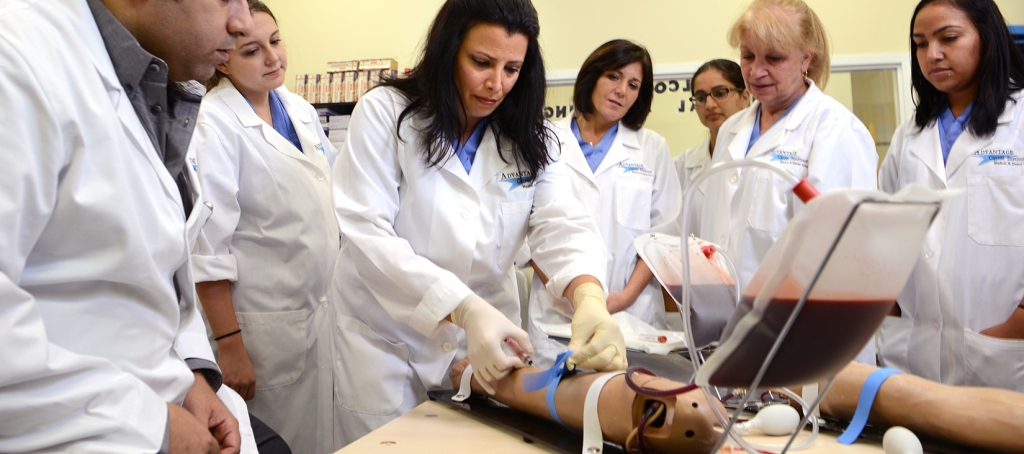
- Hands-on Practice: Use simulation arms or practice kits to refine vein selection, needle angle, and vein palpation skills before real patient encounters.
- Safety and Hygiene: Prioritize glove protocols, clean workstations, and proper disposal of sharps and biohazard waste.
- Documentation Mastery: Develop a routine for charting,specimen labeling,batch tracking,and error reporting.
- Professionalism and Patient Focus: Build rapport quickly; reassure anxious patients and respect cultural sensitivities.
- Continuous Education: Stay current with lab best practices, new collection devices, and evolving test panels.
Case Studies and Real-world Scenarios
Real-world scenarios illustrate how the right skills impact outcomes. Here are brief, anonymized examples to illustrate common challenges and how professionals respond.
Case 1: High-Volume Morning Shift
A busy hospital lab faced a bottleneck during morning rounds. A phlebotomy tech who streamlined patient flow by pre-selecting appropriate tubes, reorganizing the draw area for faster access, and double-checking patient IDs reduced turnaround time by 20% without compromising safety.
Case 2: Difficult Draw and Patient Anxiety
A patient with fragile veins required multiple attempts. The technician used proper tourniquet timing, applied warming methods, and communicated clearly, resulting in a successful draw on the second attempt while keeping the patient calm and informed.
Case 3: Labeling Error Prevention
A labeling discrepancy was caught before sample dispatch by a vigilant tech who cross-checked two patient identifiers and tube barcodes. This vigilance prevented potential mislabeling of critical tests and reinforced the importance of a second check in the workflow.
Salary and Career Outlook for 2024
The demand for phlebotomy lab assistants remains steady as healthcare access expands and outpatient testing grows. While wages vary by location and experience, here are typical ranges to set expectations.
- Hourly wage: Generally between $15 and $25 per hour, depending on region, facility, and shift differentials.
- Annual salary: Roughly $30,000 to $50,000, with higher earnings in urban centers or facilities offering additional certifications and responsibilities.
- Job growth: A positive employment outlook driven by increasing demand for routine lab testing,preventive care,and aging populations.
Tip: Pursuing advanced phlebotomy certifications or co-training as a laboratory assistant can open doors to higher-paying roles within the lab team.
First-Hand Experience: What It Feels Like on the Floor
Hearing from current professionals can help you set realistic expectations and plan your training path.
- Logbook discipline: Keeping a practice log of successful draws, near-misses, and QA checks helps build confidence and serves as a talking point in interviews.
- Mentorship: Pairing with an experienced phlebotomist accelerates learning, provides real-time feedback, and improves patient communication skills.
- Safety mindset: The top phlebotomists treat safety as a daily habit, from hand hygiene to proper sharps disposal and post-draw care for anxious patients.
Conclusion: Building a Solid Foundation for 2024 and Beyond
A successful phlebotomy lab assistant combines precise technical skills with strong soft skills and solid knowledge of safety, privacy, and regulatory guidelines. By pursuing accredited training, earning respected certifications, and continually refining both your technical and interpersonal abilities, you can thrive in a role that is foundational to reliable patient care and accurate laboratory results. Remember to stay curious, seek hands-on practice, and align your resume and interview narratives with industry keywords like “venipuncture,” “specimen handling,” “lab safety,” and “HIPAA compliance.”
Whether you’re entering the field or aiming to advance within a hospital or clinical lab, the 2024 landscape rewards those who combine practical skills with a patient-centered approach and a commitment to safety and quality.