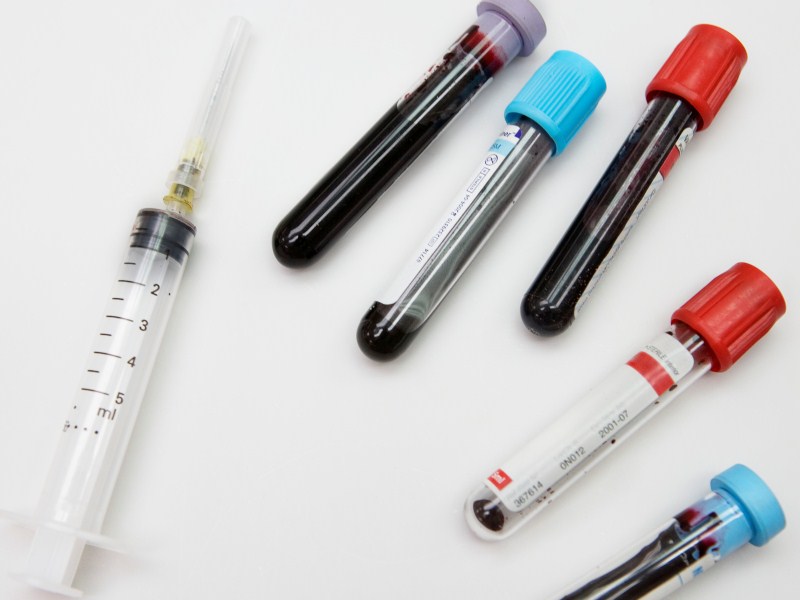
Essential Phlebotomy Terms Every Medical Professional Should Know
Phlebotomy is a foundational skill in modern healthcare. Whether you’re a nurse, physician assistant, lab technician, or physician, understanding the key terms used in venipuncture and specimen handling helps you communicate clearly, reduce errors, and safeguard patient safety. This comprehensive guide breaks down the essential phlebotomy terminology, organized into practical categories such as blood collection, anticoagulants, specimen handling, and quality assurance. Use this as a quick reference to sharpen your knowledge and improve everyday practice.
Core Phlebotomy Terms and Definitions
-
Venipuncture – the process of puncturing a vein to obtain a blood sample, typically performed with a needle and collection device.
- Vein – a superficial blood vessel (commonly the median cubital, cephalic, or basilic veins in the antecubital fossa) used for venipuncture.
-
Tourniquet – a compressive device used briefly to engorge veins and make them easier to locate. Remove promptly within 60 seconds to minimize hemoconcentration.
-
Order of Draw – the recommended sequence for filling blood collection tubes to prevent cross-contamination of additives between tubes.
-
Anticoagulants – additives in collection tubes that prevent clotting, preserving different blood components for testing.Common examples include EDTA, citrate, and heparin.
- Serum – the liquid portion of clotted blood that remains after centrifugation; obtained from serum separator or red/gold-top tubes.
- Plasma – the liquid portion of blood containing clotting factors, obtained from tubes with anticoagulants and centrifugation.
-
Whole blood – blood drawn directly from the vein with all its components (cells and plasma/serum) prior to separation.
- ECT/EDTA – Ethylenediaminetetraacetic acid; a common anticoagulant used in lavender-top tubes for hematology (e.g., CBC).
-
Sodium Citrate – an anticoagulant used in light-blue top tubes for coagulation studies; maintains clotting factors in a reversible way.
-
Heparin – an anticoagulant used in green-top tubes (ofen lithium or ammonium heparin) for chemistry and some specialty tests.
- Serum Separator Tubes (SST) - gold or tiger-top tubes containing a gel that separates serum from cells during centrifugation.
- Vacutainer – a brand of evacuated blood collection tubes that allow direct vacuum-assisted filling; often used with a compatible needle assembly.
- Syringe Method – an alternative collection method using a syringe and needle,useful in tough venous access or when immediate transfer to a tube is needed.
- Hematology – the clinical area focused on blood cells, including complete blood counts (CBC) and related indices.
- Coagulation - a laboratory discipline focused on clotting tests such as PT/INR and aPTT, often requiring citrate tubes.
- Hemolysis – destruction of red blood cells in the sample, often due to rough handling or difficult draws; can interfere with certain tests.
- Lipemia – an abnormally high fat content in serum or plasma that can interfere with some assays and spectrophotometric readings.
-
Icterus – elevated bilirubin that can cause sample coloration and interfere with specific tests.
- Capillary Puncture – a fingerstick or heelstick method used for small-volume samples or in pediatric populations.
- Labeling and Chain of Custody - documenting patient information, sample identifiers, date/time, and responsible personnel to ensure traceability and accuracy.
- Quality Assurance (QA) / Quality Control (QC) – systematic processes to ensure accuracy,reliability,and standardization of laboratory results.
-
Specimen Rejection – when a sample fails to meet quality criteria (e.g., clotting, insufficient volume, mislabeling) and cannot be tested until corrected.
Anticoagulants, tubes, and Additives: A Quick Reference
knowing which additives are in each tube helps you select the right collection container for the required tests and preserves sample integrity.
– prevents clotting by binding calcium; ideal for CBC and many hematology tests. Avoid exposure to heat or prolonged time at room temperature to prevent smear artifact. - Sodium Citrate (Light Blue top) – binds calcium for coagulation studies; critical for accurate PT/INR and aPTT results. Follow correct fill volume to maintain ratio accuracy.
- Heparin (Green Top) – preserves plasma for certain chemistry tests; faster turnaround in some settings, but may interfere with specific assays.
- Serum Separator Gel (Gold/Tiger Top) – allows rapid separation of serum from cells. Used for chemistry panels and serology when serum is required.
- Fluoride/Oxalate (Gray Top) – inhibits glycolysis; used for glucose testing and some alcohol measurements.
Specimen Collection and Handling: Best Practices
- Aseptic technique – clean the venipuncture site with an appropriate antiseptic (e.g., 70% isopropyl alcohol; follow facility policy on chlorhexidine). Allow the area to dry entirely before puncture.
- Tourniquet timing – apply briefly, locate a viable vein, then release to minimize hemoconcentration and false elevations.
- Needle choice – typical adults use 21- to 23-gauge needles; butterfly kits (23-25 gauge) are useful for difficult access or pediatric patients.
- Draw technique – fill tubes in the correct order, avoid probing with the needle after skin entry, and ensure smooth transitions to prevent hemolysis and micro-clot formation.
- Labeling – label tubes promptly at the patient’s bedside with at least patient name,unique ID,date,time,and collector initials; verify matches the patient’s identity.
- Transportation and storage – keep samples at recommended temperatures and transport promptly to the laboratory; some tests require refrigeration or protection from light.
Quality Assurance, Safety, and sample Integrity
- Quality Control (QC) – routine runs and controls ensure analyzer accuracy and reagent performance. Follow your lab’s QC plan and record results.
- Documentation – maintain complete documentation for each draw,including patient identifiers,tube types,and any deviations from standard procedures.
- Specimen integrity indicators – watch for hemolysis, lipemia, icterus, or insufficient volume; these factors can compromise test results and may trigger specimen rejection.
- Safety – use sharps containers, practice needlestick safety, and follow local biosafety guidelines to prevent occupational exposure.
- Chain of custody – for certain regulated tests (e.g., forensic or legal specimens), track every step from collection to analysis to ensure traceability.
Common Blood Collection Tubes: Quick Reference Table
Use this table to quickly identify typical tube colors,additives,and common test families. Always follow your facility’s standard operating procedures (SOPs).
| Tube Color / Top | Additive | Common tests | Notes |
|---|---|---|---|
| Cream/gold (SST) | Serum separator gel; clot activator | Chemistry panels, increased variety of serology tests | Serum after centrifugation; avoid short clot time for certain hormones |
| Light Blue | Sodium citrate | Coagulation tests (PT/INR, aPTT) | Fill volume meaningful for ratio accuracy |
| Purple / Lavender | EDTA | CBC, platelet counts, some hematology panels | Prevents clotting; avoid vigorous mixing to prevent cell distortion |
| Green | Heparin (sodium or lithium) | Chemistry tests and plasma-based assays | Quick processing; not suitable for all tests |
| Gray | Fluoride / Oxalate | glucose, lactate, alcohol levels | Inhibits glycolysis; protect from light if required |
Practical Tips for Mastery
- Practice vein palpation and consider multiple sites if a vein is not readily accessible; always prioritize patient comfort and safety.
- Communicate with the patient: explain the procedure, what to expect, and provide reassurance to reduce anxiety and motion that can affect the draw.
- Keep a clean workspace; confirm that all labels, tubes, and requisitions are present before starting.
- Monitor the tourniquet time closely; remove it as soon as the vein is secured to minimize hemoconcentration.
- inspect specimens after collection for signs of hemolysis or clotting; reject and recollect when necessary according to policy.
case Studies and Real-World Scenarios
Case Study 1: The Importance of Order of Draw
A patient required coagulation studies and a CBC in a single draw. Using the incorrect order of draw led to trace amounts of anticoagulant carrying over into the CBC tube, causing a falsely depressed hematocrit. After recognizing the issue, the team recollected the samples in the correct order, correcting the results and avoiding misdiagnosis.
Case Study 2: Hemolyzed Sample Complications
A specimen arrived with visible hemolysis due to a rough draw and excessive tourniquet time. Tests were invalid for several chemistry panels. re-collection with a calm, patient-centered approach and proper technique yielded pristine samples and reliable results.
First-Hand Experience: Lessons from the Front Line
In busy settings,small details make big differences: labeling at the bedside,removing the tourniquet promptly,and selecting the right tube for the tests ordered can save time and prevent repeat draws. Clear dialog with patients, especially those with difficult venous access, helps reduce stress and improves specimen quality. Regular training on the latest CLSI guidelines and internal SOPs reinforces best practices and keeps the team aligned.
Frequently Asked Questions
- Q: Why is the order of draw importent?
- A: To avoid cross-contamination of additives between tubes, which can skew test results.
- Q: how long should a tourniquet stay on?
- A: Generally no more than one minute to prevent hemoconcentration.
- Q: When should a specimen be rejected?
- A: If there is mislabeling, insufficient volume, excess hemolysis, clotting in a tube intended to be plasma, or other protocol deviations.
Conclusion
Mastery of essential phlebotomy terms is more than memorization-it’s about applying precise language to improve patient safety, test accuracy, and turnaround times.From understanding when to use EDTA versus citrate tubes to recognizing the impact of hemolysis on results, these terms form the backbone of effective specimen collection and laboratory communication. By embracing best practices, staying current with CLSI guidelines, and continually refining technique, healthcare professionals can deliver high-quality care and reliable laboratory data that support optimal patient outcomes.